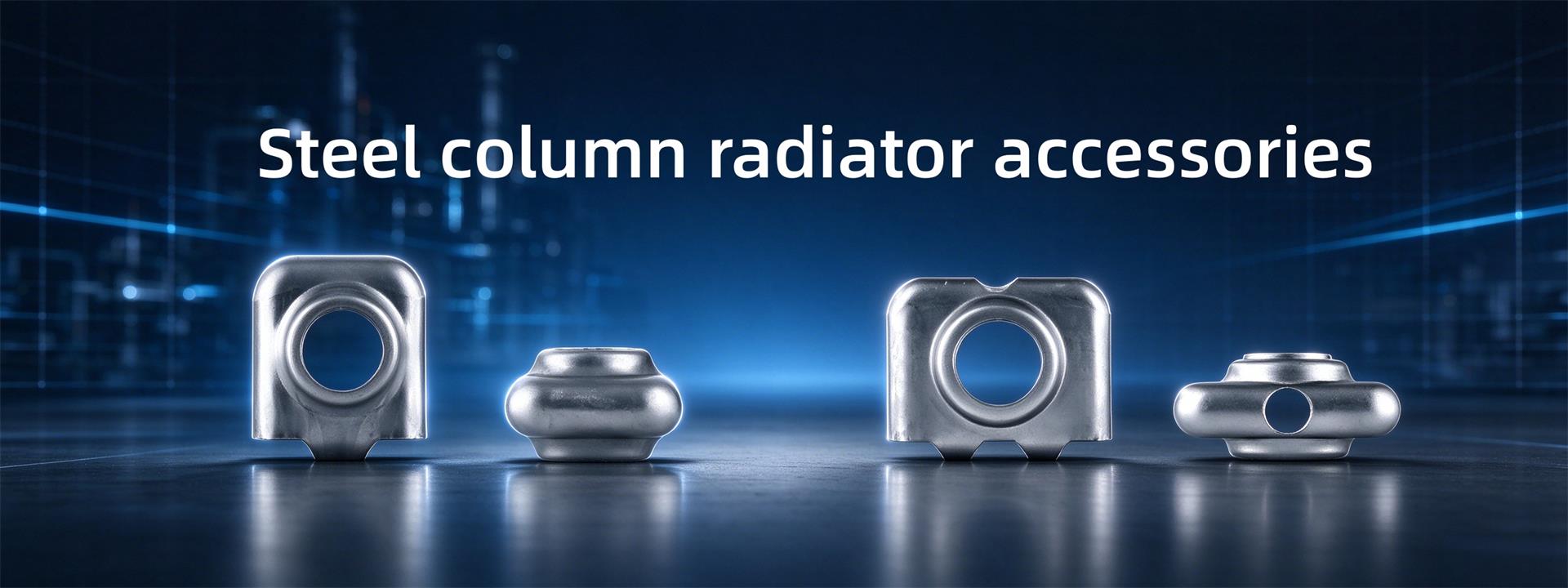
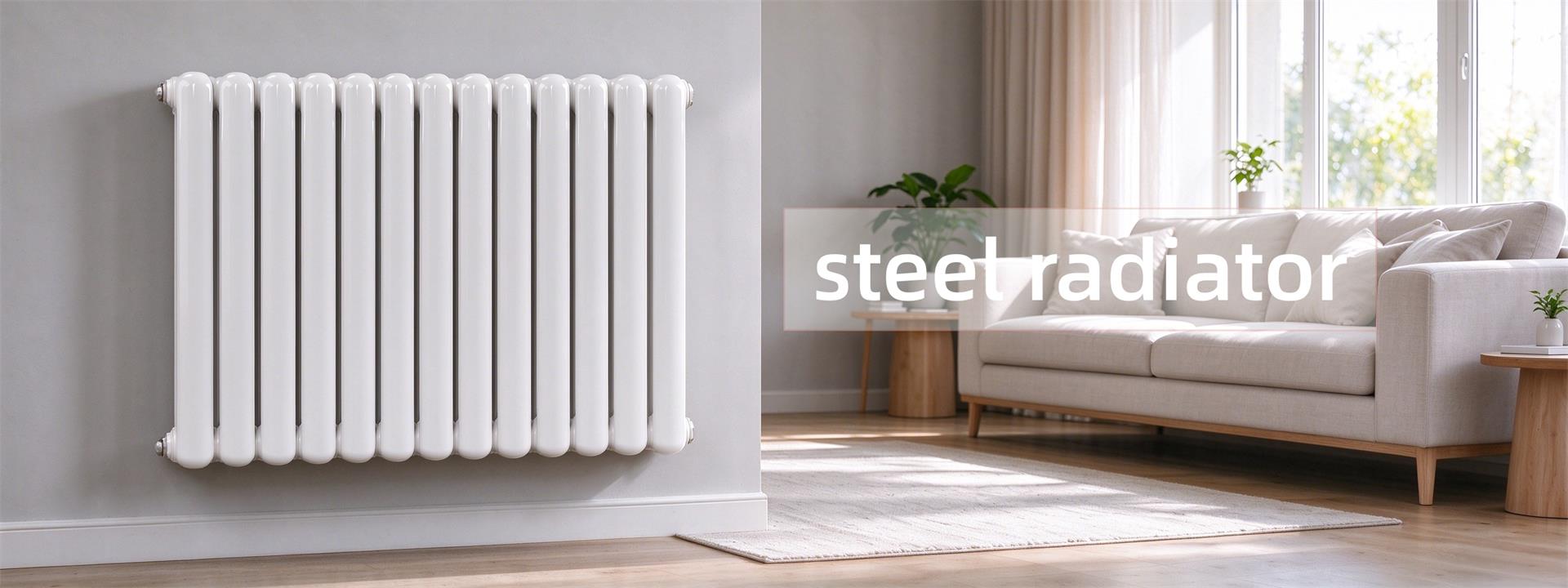
When your heating fails to warm the room, many people immediately suspect the heating supplier or the radiator itself. In many cases, however, the problem lies in easily overlooked accessories. Though small, valves, air vents, filters, connectors and sealing rings directly affect hot water circulation and heat release. Let’s take a look at which accessories deserve inspection when radiators do not heat properly.
When air accumulates inside the radiator, hot water circulation will be blocked. Typically, the upper section stays cool while the lower section feels warm. Air vents are designed to release trapped air from pipelines. You can carry out a simple check by touching the radiator. If the top is noticeably cold and the bottom warm, air buildup is very likely. Gently open the air vent to bleed air, and close it once steady water flows out. Air bleeding can be done at the start of the heating season and occasionally during operation. After bleeding, check whether the pressure remains stable.
Inlet and outlet valves control the flow of hot water. Some homeowners partially close valves to adjust indoor temperature, or the valves are not fully opened after installation. This leads to insufficient water flow and slow heating of radiators. During inspection, make sure both supply and return valves are properly opened and avoid keeping them half-open or fully closed for long periods. Also check if valves are stuck or hard to turn, and handle abnormalities in a timely manner.
Water in central heating systems inevitably carries impurities, rust and sediment. Filters intercept these contaminants to protect radiators and pipelines. After a period of operation, the filter screen may get clogged, slowing hot water flow and reducing heating performance. It is recommended to remove and clean the filter screen before the heating season or when poor heating occurs. Reinstall the screen and check whether heating performance improves.
Joints and sealing rings connecting radiators and pipelines are common leak points. Loose connectors or aged sealing rings may seep water under pressure, weakening heating performance and potentially damaging walls and floors. Check for water stains or seepage marks at joints. If leakage is found, fasten connections or replace sealing accessories promptly.
For radiators fitted with thermostatic valves, stuck valve cores or failed temperature sensors may lead to inadequate heating or failed temperature adjustment. Such issues often occur on valves that have been idle for a long time. If temperature remains unchanged after manual adjustment, ask professionals to inspect or replace the valve.
Brackets and hangers may seem irrelevant, yet they keep radiators steady and evenly distribute stress on inlet and outlet connections. Poor installation or deformed supports may cause radiators to shift over time, creating uneven stress on joints and impairing sealing performance. Check that brackets are installed in compliant positions and quantities, and confirm radiators do not shake or tilt.
If radiators do not heat well, follow this troubleshooting sequence: bleed trapped air first, check valve status, clean the filter, and inspect joints. Most issues are caused by trapped air or improperly set valves, which you can handle yourself. For problems such as damaged internal valve cores or serious leakage, contact professional technicians. Simple maintenance before and after each heating season helps reduce unexpected faults.
In short, stable heating of radiators relies on the whole system working together. Paying attention to these accessories can resolve many minor heating issues in advance and bring peace of mind throughout winter. If heating remains poor after inspection, check the radiator body or the overall heating system, and arrange on-site diagnosis by professionals when necessary.
 Underwriting products
 24/7 service
 Trusted brand
 Support customization