
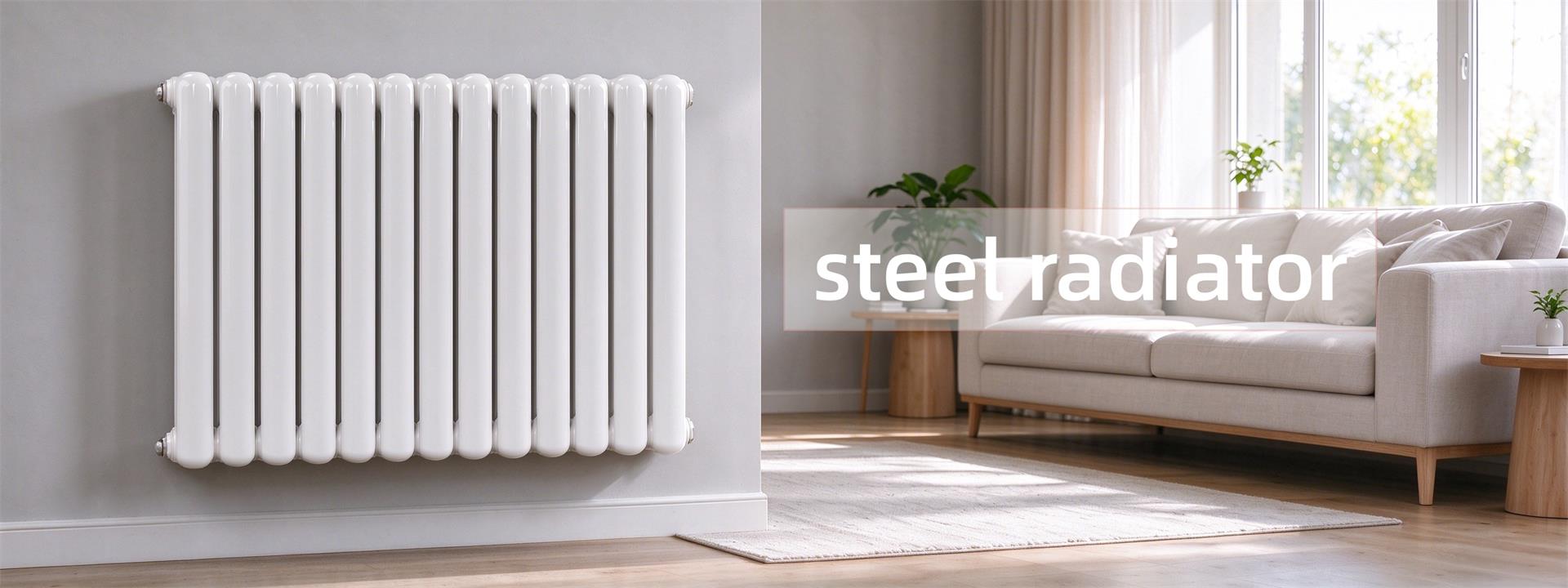
When renovating an old house, radiators are often overlooked until the later stage of construction, yet they are an essential part of the project. A proper installation brings comfort in winter; poor installation may lead to a series of issues such as water leakage, insufficient heating and high energy consumption. Based on years of renovation experience, here are several key points worth your attention before construction.
Central heating and wall-hung boiler self-heating have completely different requirements for radiators. Central heating features relatively high water temperature and variable water quality, so radiators need good corrosion resistance. Wall-hung boiler self-heating runs at lower water temperature and requires fast heat-up, so the heat dissipation and thermal inertia of radiators need proper matching. Before construction, confirm the community heating type and the condition of existing pipelines. Avoid selecting the wrong radiator after installation.
Common radiator materials for old houses include steel, copper-aluminum composite, die-cast aluminum and cast iron. Steel radiators have diverse styles and moderate costs, suitable for households with good water quality under central heating. Copper-aluminum composite radiators deliver strong corrosion resistance and long service life, ideal for areas with hard or alkaline water. Die-cast aluminum radiators heat up quickly and fit well with wall-hung boiler self-heating. Cast iron radiators are durable yet heavy and slow to heat, so they are rarely used in modern home decoration. No material is universally superior. The core is to match the material with local water quality and heating mode.
The number of radiator panels cannot be decided arbitrarily. Room orientation, floor area, ceiling height, window size and wall insulation all affect heating demand. You can make a preliminary estimate based on room area and adjust the figure according to building insulation. Old houses usually have weaker insulation than new buildings, so a slight increase in panels is often required. The most reliable method is to invite professionals for on-site measurement and calculation to prevent unnecessary cost from excess panels or insufficient heating from insufficient panels.
Exposed piping is widely adopted in old house renovation. Concealed piping needs wall chiseling, which causes greater damage to existing decoration. Although exposed pipelines are visible, construction is simpler and later maintenance is easier. Whichever method you choose, plan the route of inlet and outlet pipes and valve positions in advance, and coordinate with furniture layout and wall structure to avoid obstructive pipelines after installation.
Most water leakage occurs at joints and valves. Choose reliable accessories including thermostatic valves, inlet and outlet valves and air vent valves, and properly seal all connections. A pressure test must be carried out after installation to confirm no seepage or leakage before project acceptance. This step is especially important for old houses, as original pipelines may have aged and joints are more prone to faults.
Leave maintenance space for pipelines and valves in old houses, especially those enclosed in walls or cabinets. It will facilitate filter cleaning, air venting and valve replacement, avoiding wall or cabinet demolition during later repairs. This detail may seem minor but can save plenty of trouble in the future.
Radiator installation involves water circuits and pressure and counts as concealed work. Select reputable installation teams with valid qualifications, sign formal contracts and clarify after-sales commitments. Ask for pressure test records and operation instructions upon completion, and keep all receipts for maintenance.
To sum up, installing radiators during old house renovation follows these principles: match radiator material with heating system, determine panel quantity according to heat load, follow standard construction and use high-quality accessories. Careful handling of these steps ensures reliable performance and warm indoor environment. For specific selection plans, consult professionals according to the actual conditions of your house.
 Underwriting products
 24/7 service
 Trusted brand
 Support customization